Where clouds carry the melody of birds : A journey into the Mishmi Hills
- Jul 8
- 6 min read
Updated: Jul 20

Birds, mist and more...
Generally, every year, we plan an elaborate jungle trip, in the summers, mostly to the tiger reserves…after all, who wants to pass a chance of photographing the big cats 😊 – However, this time we decided to trade the big cats for the feathered denizens of the north eastern Himalayas. After several rounds of research, finally we zeroed in on Mishmi Hills – a misty stretch of mountains tucked away in the Dibang Valley district of Arunachal Pradesh.
Our journey started with an early morning flight out of Kolkata, to the bustling city of Dibrugarh in Assam, which is also one of the gateways to Arunachal Pradesh. We were picked up from the Airport by our driver, who was waiting with his Scorpio, and we headed straight to Frogmouth Camp, which would be our base for the next 4 days. On our way we crossed the recently inaugurated Bhupen Hazarika bridge which also happens to be the longest bridge in India.
Bhupen Hazarika bridge spans the Lohit river and goes on for a magnificent 9.15 km!

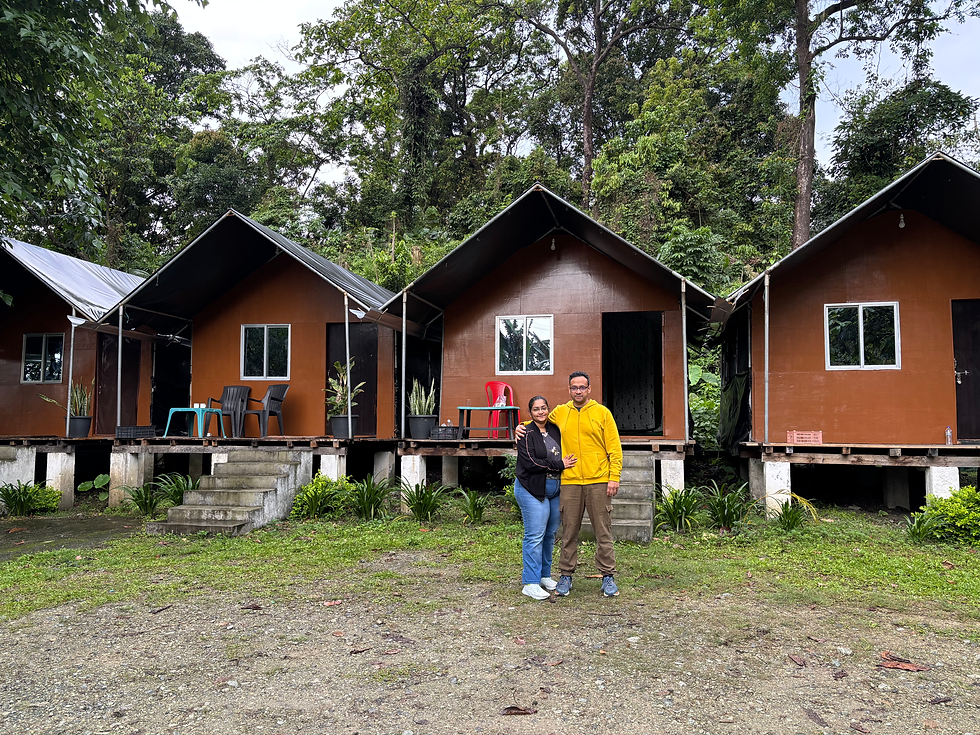
The Frogmouth Camp is a non-descript homestay with tented accommodations, and situated inside the Mehao Wildlife Sanctuary, and about 12 km from the district head-quarters of Roing. Following a quick lunch consisting of simple daal, vegetables and chicken, we started our birding session in the lower valley areas. We were being helmed by our birding guide, Tamo Mekola.
Frogmouth Camp is located at a comfortable point that sits somewhere between the grasslands and riverbed of Roing and the upper regions of the Mishmi Hills
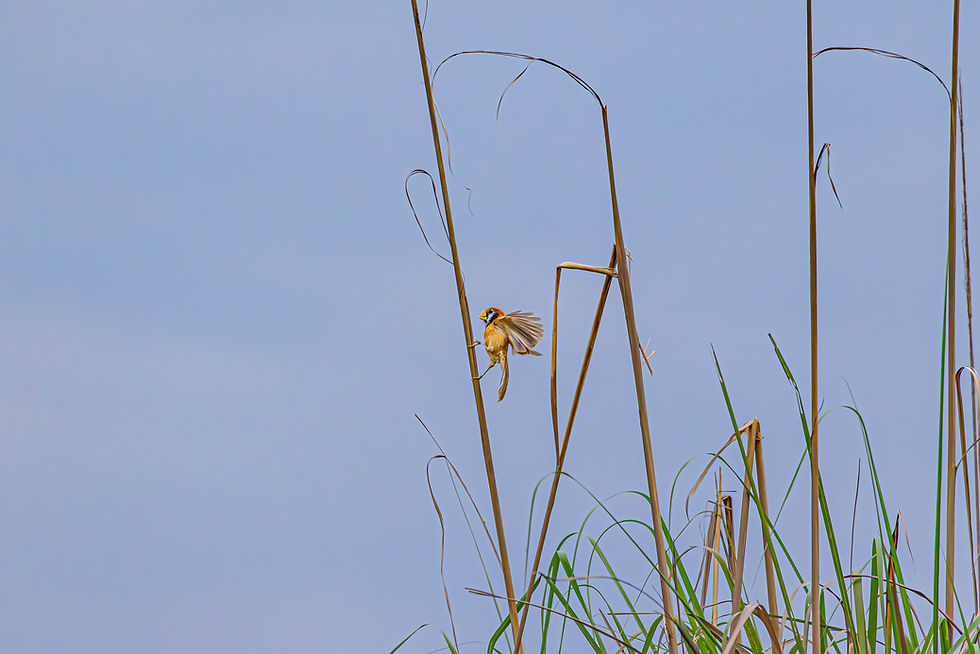
On our first day we only had the second half to spare. Our guide Tamo took us down to Roing area so we could scout the grasslands and riverbed areas. We walked along the bridge pavement and looking down spotted Chinese ruby throat and Jerdon's babbler. Eventually we drove down to the very same grasslands we were scouring from above. Soon we realized that we were not having much luck photographing a bird in a haystack.. 😉.. So we moved on and chanced upon a variety of grassland birds instead like Striated babbler, black-breasted parrotbill (a lifer for both of us), etc.
A black-breasted parrotbill hopped about the grasslands...
The afternoon birding session was rewarding, albeit pretty tiring – after an early dinner at our camp, all we wanted to do was crash down and catch up on our sleep 😊 – The next morning we were supposed to go up the hills in search of the high-altitude birds.
The simple and wholesome dinner served at Frogmouth Camp was something we looked forward to after a day where we spent hours walking...

The day began at 5 AM, and we hopped on to our car, and headed up the mountains. Our guide stopped the car at select locations and tracing the bird calls we dove into a day of lifers.
Cacchar's Wedge Billed Babbler is a signature species of Mishmi Hills, and we got one within the first hour itself

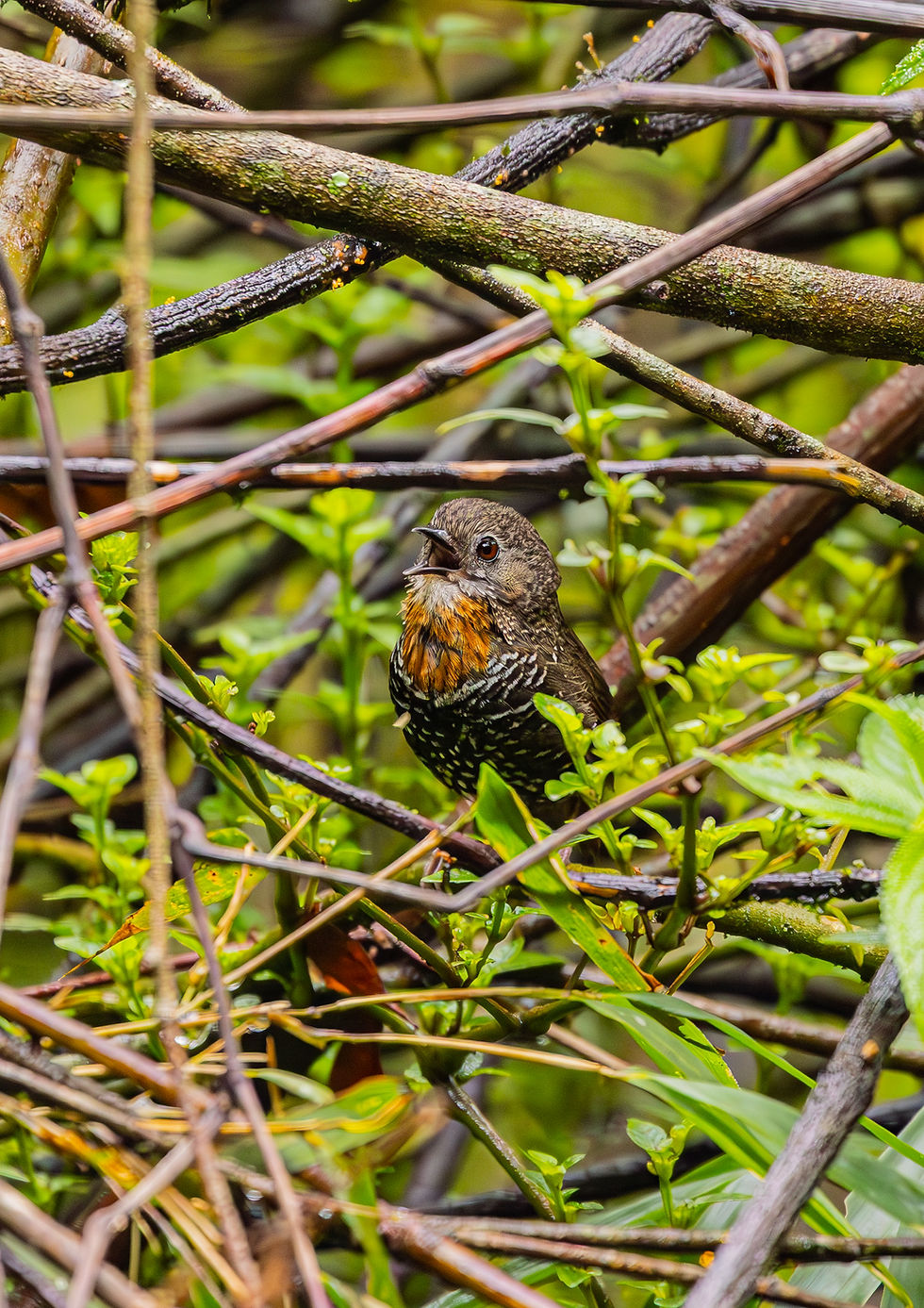
The Mishmi Wren Babbler is so rare that its only found in the misty mountains of Mishmi Hills, and is often heard but rarely seen
Arunachal Pradesh usually receives a lot of rainfall and on a single day the mountains can make you experience winter-monsoon-spring-summer. What we faced on day 2 was mostly monsoon. So we spent large part of the day cooped up in our Scorpio. Even so we did see a barrage of fulvettas, warblers and loads of other skittish birds.
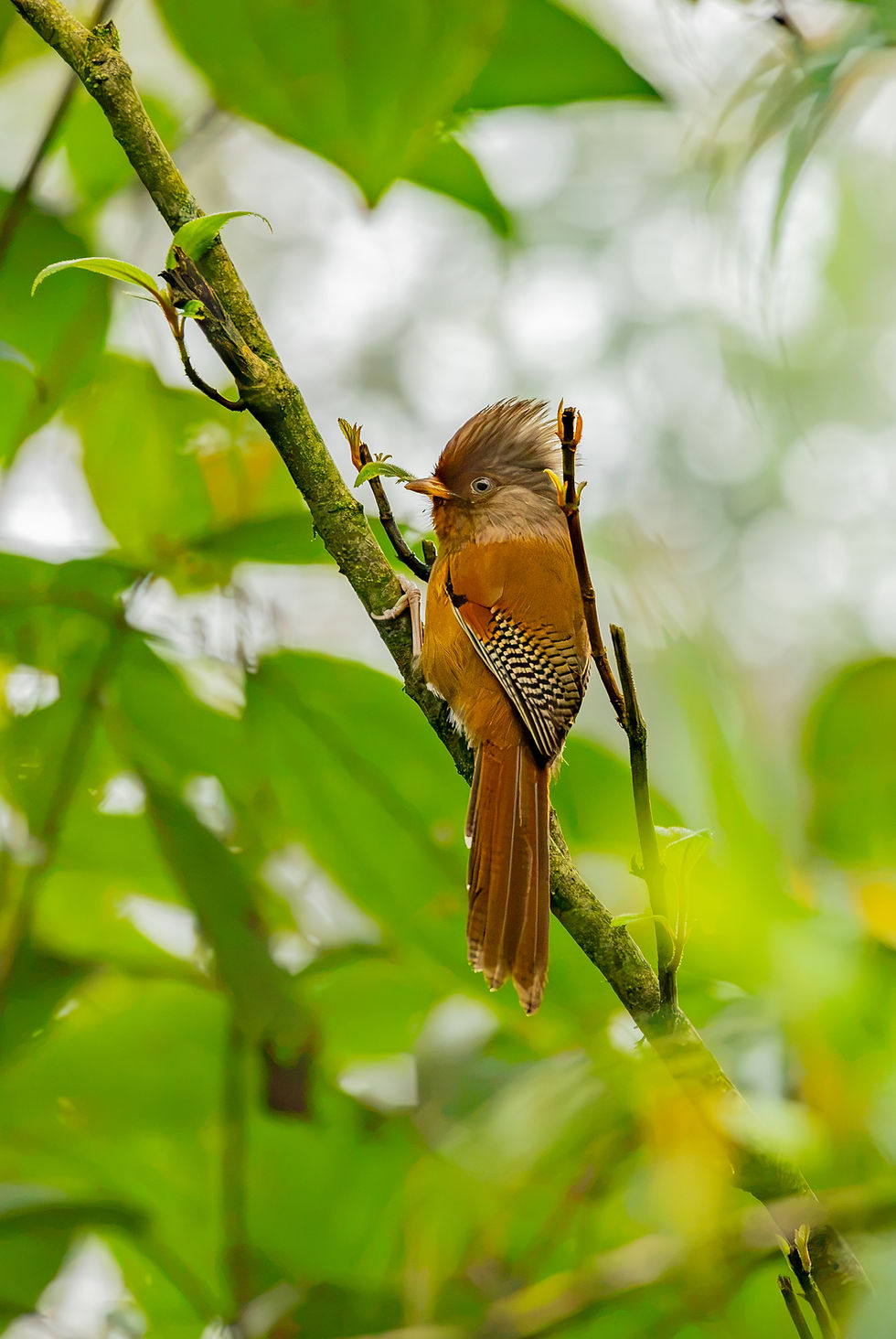
Among the many avian treasures, the Rusty-fronted Barwing stood out like a well kept secret of the forest, with its warm chestnut coloured wings blending effortlessly with the vegetation
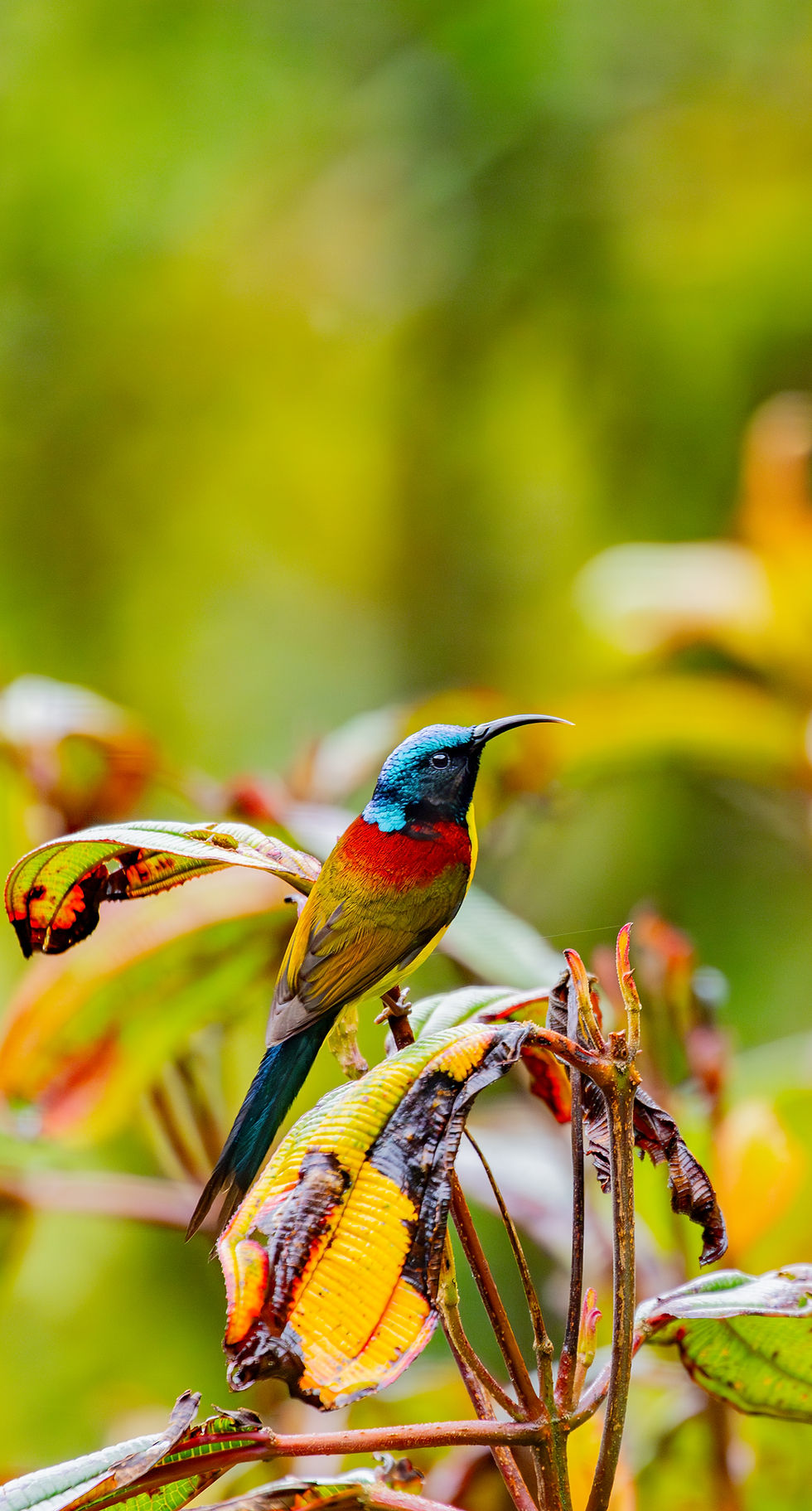
Against the muted greys of the cloud forest, the Green-tailed Sunbird appeared like a living rainbow, its vibrant colours bringing warmth and life to an otherwise gloomy morning.
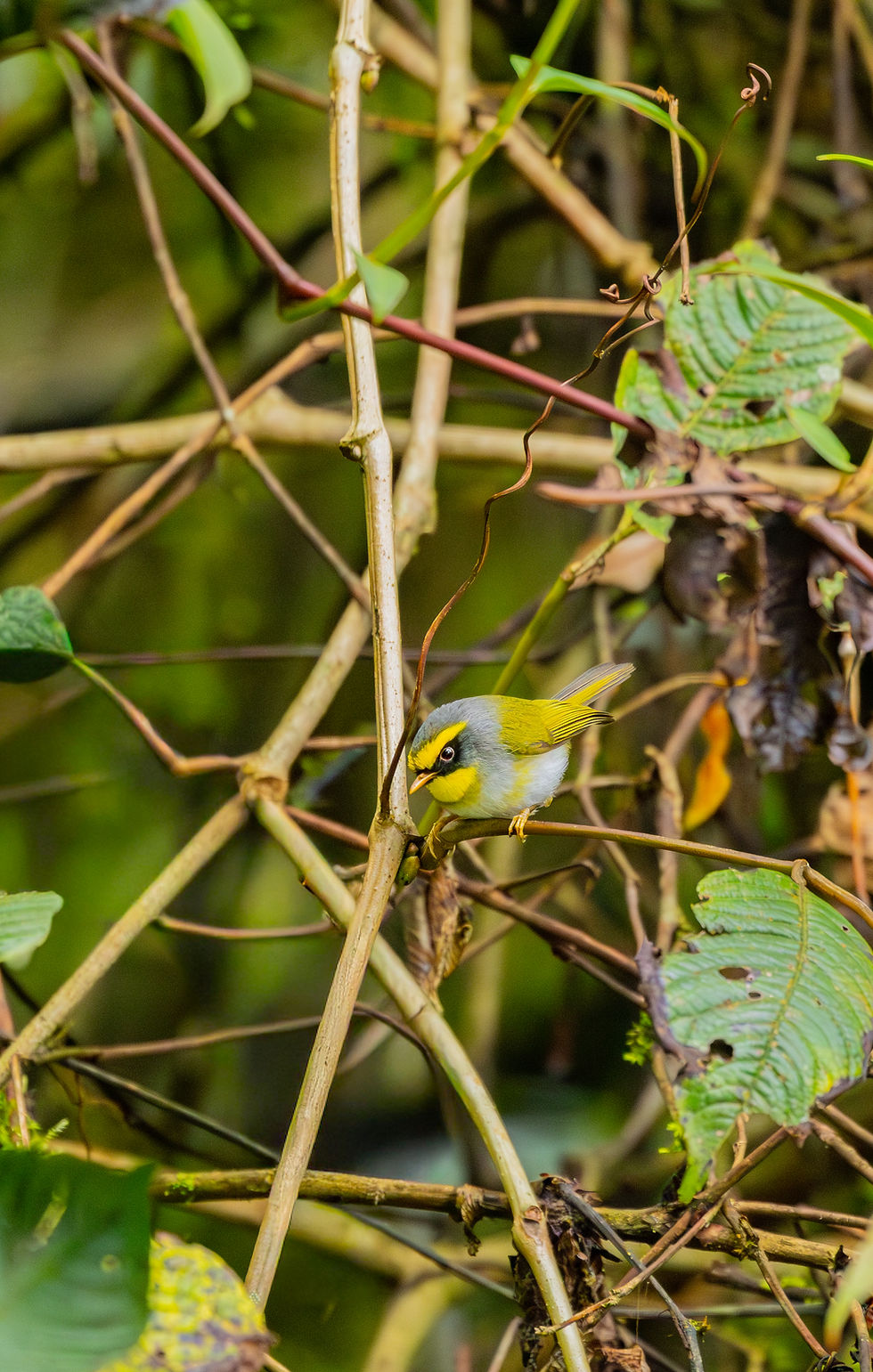
A uniquely striking bird, with a bold black eye-band set against its deep yellow plumage, the Black-faced Warbler was like a flash of fire weaving through the dense vegetation.
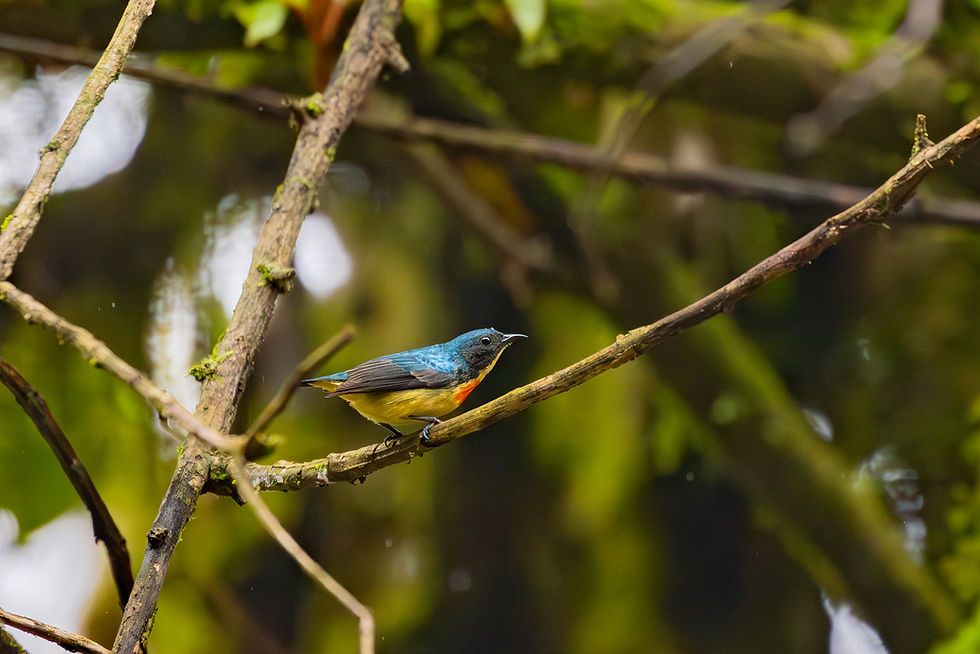
A Fire breasted flowerpecker showed up through the rain and brightened our day
While driving up the mountains we often encountered the serene, beautiful, docile and huge Mithuns - the "Gaurs of the mountains". Google tells us that they are also called Gayals or Drung Ox! They don’t live within human establishments but roam the mountains and respond when they hear locals call them to feed salt!
Majestic yet remarkably placid, the Mithuns are the gentle giants of the Mishmi Hills, sharing an age-old bond with the people and landscapes of this remote Himalayan frontier.

We had driven all the way up to the Mayudia Pass, where we paused for lunch. Built along the mountain, this lunch spot allows birders to sit and watch the birds in the valley while a simple, wholesome meal is served to you. We sat near a toasty ‘Chulha’-fireplace and warmed our wet feet and hands while gobbling down the delicious, steaming-hot breakfast- much needed after 4-5 hours spent enjoying the mountains. Even at that height, we were glad that there was enough mobile network to let us pay online, although it's safer to carry some cash when visiting such relatively remote places. One of our target species, the Blyth’s Tragopan however, remained elusive although we heard its haunting calls reverberate across the valley.
When in Mishmi Hills, your day ends really fast, and by 5 PM, we were back in our camp. Caught up with another group of birders, and exchanged stories about other birding spots in the region. Following another early dinner, we called it a day.
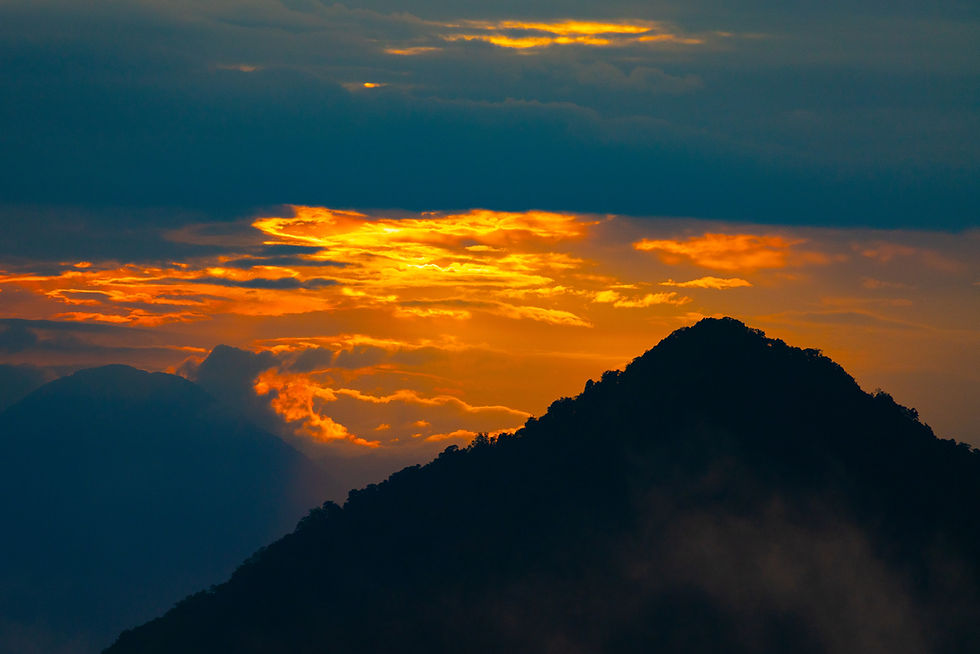
Ending the day with a magnificent sunset over the Lower Dibang Valley
The next morning brought better weather and clearer skies, and we had a field day shooting birds and observing their behaviour and simply admiring the sheer variety this place has to offer. Day 3 gave us a glimpse into why Mishmi hills is revered by bird enthusiasts. With the skies clear and the morning air fresh and pleasant, we walked miles listening and finding cartloads of birds. Our birder’s excitement was on a full high almost all day. Although couple of our target species remained still elusive our camera memory card definitely lost a lot of space! :D
Golden Breasted Fulvetta- the brightest of all Fulvetta varieties we witnessed here
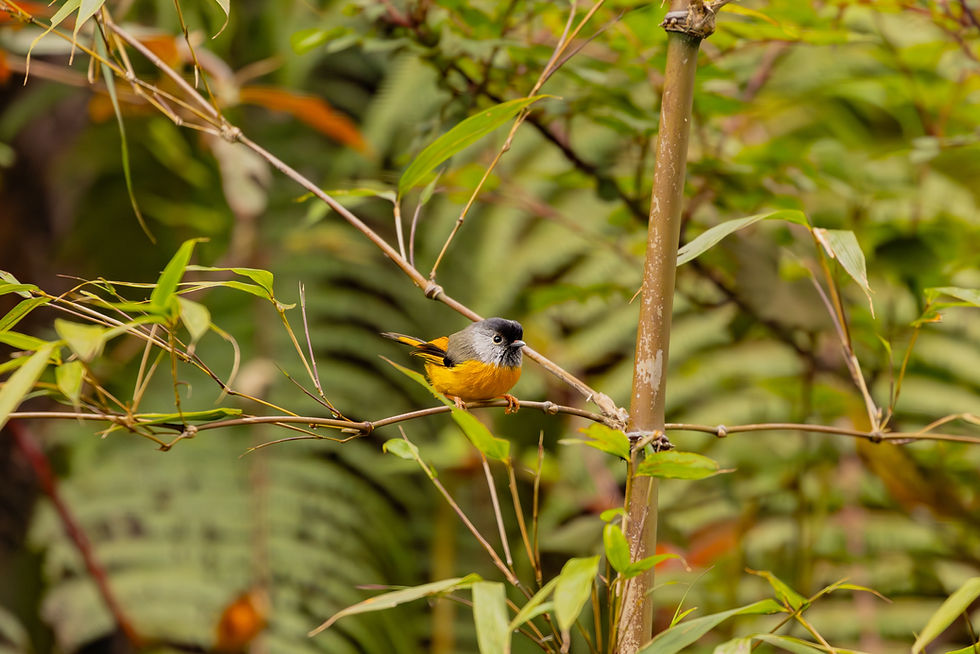
Chestnut tailed minla- also called bar-throated minla because of the unique horizontal lines visible on its throat, is a beautiful bird with vivid wings

A wall of mist rises from the valley, shrouding the mountains and forests - here in Mishmi Hills, the clouds are not an inconvenience, rather an integral character of the story.

Our fourth day was pretty much similar to our remaining days, with an early start, followed by a full day birding. The previous day’s walk had left us a little tired so we decided to end our day early but not before we found excellent shots of a fire-breasted flowerpecker and myriad other birds! This day happened to coincide with election result day for West Bengal, Assam, Tamil Nadu and we caught up to the world news for a while as we had our lunch in ‘Tiwari’.
The village of the apes...
Our final day we had earlier planned to leave for Dibrugarh directly from our camp, however, we decided to take a detour through Maguri, as we heard of a population of Hoolock Gibbons in a small village in Assam.
As we approached the village, we could hear a deafening cry in the canopies – we were informed that a Gibbon couple were residing in the nearby village. Finally, we got to see the couple swinging across branches and spent some quality time with the couple. From there we went to Barekuri, a village which has come in the limelight due to a BBC documentary called the “Guardians of the Gibbon”. A villager Mohit has championed the cause of coexistence between this endangered species and humans.
One of the young males was so curious that every now and then he would climb down to check if we were carrying any snacks for him and would be miffed if we were not offering him savories
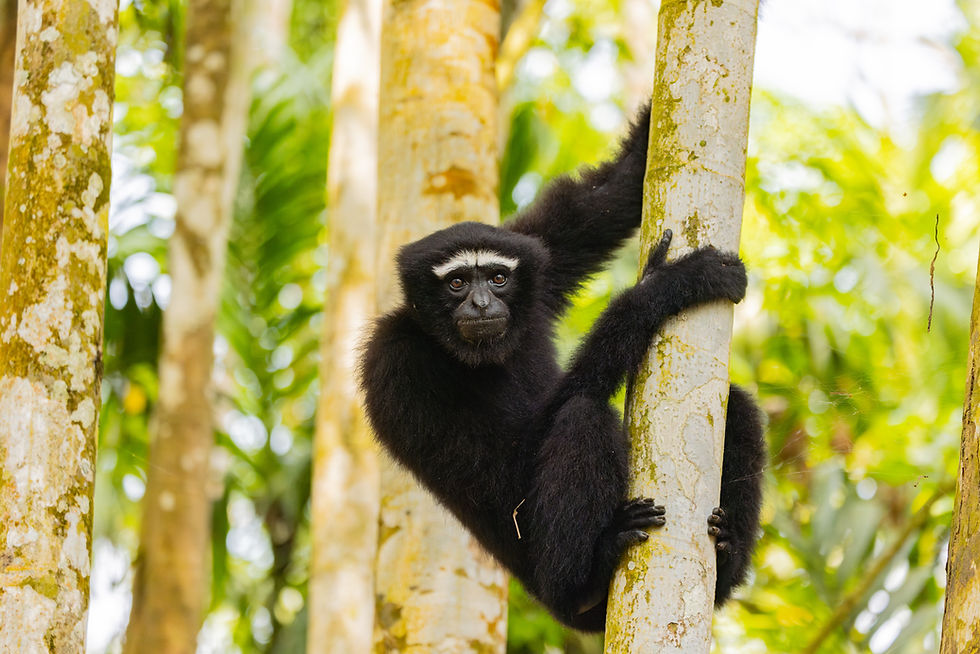
This female was nursing a baby and would jump around with her baby firmly locked around her waist. The caring mother would often approach us cautiously and grab a few fruits from our hands

Our visit to this extraordinary place, where gibbons and humans coexist in remarkable harmony, left us with a profound sense of admiration, not only for these gentle, extraordinary animals but also for the people who, despite their own hardships and limited means, have chosen to become the true custodians of conservation.
Their quiet resilience and unwavering commitment stand as a powerful reminder that protecting nature is not a privilege of the wealthy, but an act of compassion and conviction.
Just before entering the Airport, we took an early lunch break – and had a sumptuous Assamese lunch at a restaurant called Junak . At first we thought we would not be able to consume the elaborate thali but once we started having it, the fried duck, local vegetables and the country chicken curry was so delectable, that we realized we actually finished off the entire thali and interestingly we did not even feel stuffed!
The mouthwatering Assamese thali and duck fry was a wonderful way to sign off this lovely vacation!

As our flight took off from Dibrugarh, we were filled with a deep sense of fulfilment and gratitude. The birds, bio-diversity of Mishmi Hills and the warm hospitality of the locals, have left an indelible mark in our minds. We may have left Mishmi Hills, however, this place won’t be leaving our hearts anytime soon.
Comments